

How to Reduce Manufacturing Costs in 2026 Without Sacrificing Quality
Introduction: Why Manufacturing Cost Reduction Can’t Wait
Since 2020, manufacturing costs have surged across every major input category. Total materials costs in U.S. manufacturing climbed from roughly $1,007 billion in 2020 to about $1,723 billion in 2022, and they remain significantly elevated through 2026. Manufacturing labor costs increased by 4.2% last year alone, while energy costs and freight rates continue to eat into profit margins that were already thin.
This isn’t just an operations problem anymore. Inflation, supply chain volatility, and shifting tariff policies have made cost reduction a board-level priority. Customers are more price-sensitive than ever, especially in DTC and retail, creating pressure from both sides of the ledger. Brands that can’t find ways to reduce manufacturing costs risk losing competitive pricing and market share simultaneously.
This article focuses on practical, proven ways to lower manufacturing costs across materials, labor, overhead, and supply chain for consumer brands and retailers working with overseas manufacturing partners.
At Orbix Sourcing, we help mid-size brands cut production costs ethically through better manufacturers, smarter negotiations, and tighter production control across Asia and beyond.
We’ll start with how to reduce costs fast in the first few sections, then move into deeper strategic levers and longer-term improvements for sustained cost efficiency.
Understand Your Manufacturing Cost Structure Before You Cut
Every manufacturing cost reduction program must begin with clarity. Manufacturing expenses typically fall into three categories:
- Direct materials: raw materials and components in the finished product
- Direct labor: wages for workers directly assembling or processing
- Manufacturing overhead: rent, energy consumption, depreciation, maintenance costs, indirect labor, and tooling
In many consumer product factories, direct costs like materials represent 50–70% of landed cost, direct labor costs account for 10–20%, and overhead costs consume the rest.
Here’s a concrete example: a small appliance with a landed cost of $45 in 2025 might break down as $25 in material costs (56%), $8 in labor costs (18%), and $12 in overhead and logistics (26%). If freight or energy spikes, that $12 slice can balloon even when other cost drivers stay flat.
Inaccurate cost breakdowns lead to wrong decisions. A brand might cut headcount when the real issue is a high scrap rate or partially filled shipping containers. Building a product cost model using ERP or PLM data, broken down per SKU, per factory, and per region, is essential.
This visibility into your cost structure is the foundation for any serious cost saving initiative. Orbix Sourcing typically starts every engagement with a cost-structure audit, mapping all SKU-level cost drivers and benchmarking against industry peers before recommending where to cut.
Quick Wins: 60–180-Day Actions to Reduce Manufacturing Costs
Many brands can achieve significant cost savings of 5–10% within a few months by targeting low-hanging fruit rather than redesigning their entire production process. Here are the actions that typically deliver the fastest results:
- Renegotiate minimum order quantities (MOQs) with factories or component suppliers, or combine orders across SKUs to unlock volume discounts
- Consolidate orders and factories by moving fragmented product lines to a single facility in a lower-cost region, reducing duplicate setup and facility costs
- Eliminate non-essential product options such as low-volume colorways or features that complicate manufacturing processes without driving meaningful sales
- Fix obvious scrap and yield issues like poor cutting layouts, non-standardized material widths, or damaged raw materials that inflate disposal costs
- Improve container utilization by ensuring full container loads, optimizing packaging dimensions, and combining shipments to reduce per-unit freight and warehouse costs
- Run regular inventory audits to eliminate excess inventory, which increases storage costs and ties up working capital
The numbers back this up. Poor inventory management leads to an estimated $1.1 trillion in losses annually across global industries. Effective inventory management reduces production costs significantly by cutting inventory costs, reducing waste, and freeing cash flow. Every CEO and CFO needs to know their inventory turn KPI and track it monthly.
Real examples: A DTC homeware brand saved roughly 8% in 2024 by consolidating ceramic orders to a single factory in Vietnam instead of splitting small batches across multiple countries. A fashion label cut SKUs by eliminating low-volume colorways and reusing fabric across styles, reducing fabric waste by 12%.
Orbix Sourcing typically sequences these quick wins in order: SKU rationalization and order consolidation first, then scrap and yield improvements, then contract renegotiation and better container utilization.
These fast savings create budget and internal buy-in for the deeper, longer-term cost saving measures that follow.
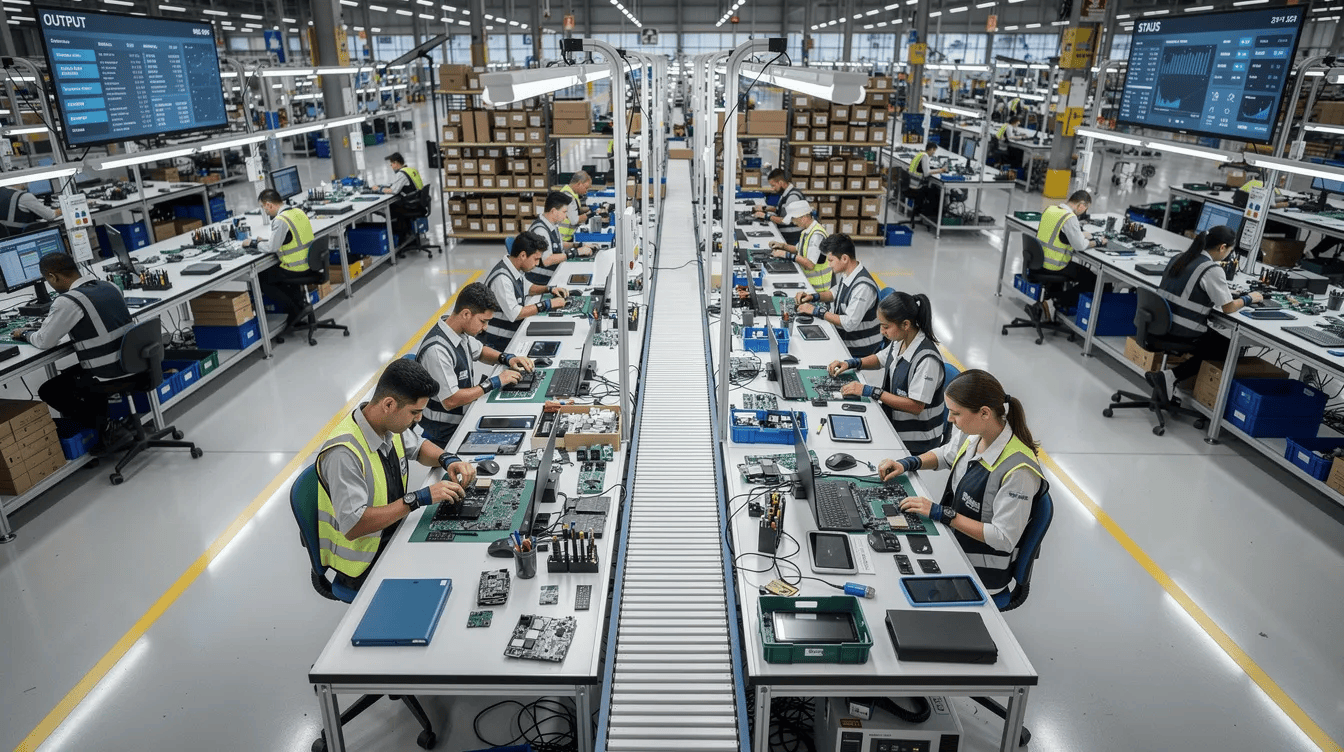
Reduce Material Costs Through Smarter Sourcing and Design
Materials often account for 50–70% of total manufacturing cost, which means even a small percentage improvement in material costs delivers outsized impact on your overall financial performance.
Sourcing tactics that reduce material costs:
- Multi-quote across countries. Compare pricing from China, Vietnam, and India for the same component. Each region has different labor, energy, duty, and logistics profiles. A resin part cheaper in China may cost more once tariffs and freight are factored in.
- Switch to regional suppliers closer to your manufacturer or end market to cut import duties, lead times, and safety stock requirements.
- Lock in annual price agreements tied to commodity indexes (LME for metals, published resin indices) so you share price risk with suppliers instead of absorbing it entirely.
Design-to-cost levers:
Simplify your bill of materials. Standardizing parts simplifies purchasing and reduces inventory costs across your product line. Replace over-specified materials where quality allows, like switching from stainless steel to coated steel for non-critical components.
In one well-documented case, standardizing raw material roll widths across a facility reduced scrap from 33% to just 3.15%. Another project, where Optimas helped Faurecia standardize fasteners, achieved a 79% reduction in part numbers and $1.8 million in annual savings.
Effective supplier negotiation can yield significant cost savings, and effective supplier negotiation can yield significant savings on production costs when combined with design changes.
Orbix Sourcing helps brands compare quotes across Asia, validates factory material yield assumptions, and verifies through sample testing that lower-priced material won’t increase defect or warranty rates. It is vital to receive samples from multiple sources before committing to a single source. Orbix helps with exactly this and is an extension to the procurement team.
Optimize Labor Costs by Boosting Productivity, Not Just Cutting Headcount
Labor costs are a key component of manufacturing costs, especially for labor-intensive products like apparel, furniture, and hand-assembled electronics. With 71% of manufacturers reporting workforce competency as a primary concern, the challenge isn’t just wages but getting more output from every hour worked.
Effective labor cost reduction comes from higher labor productivity and better line balancing, not simply squeezing wages or cutting headcount. Here’s what works:
- Standardized work instructions: precise SOPs with visual aids so each operator knows exactly what to do, reducing variation and rework on the shop floor
- Better workstation layout: reorganize facility layout to minimize transportation waste during production and reduce unnecessary motion
- Shorter changeovers: use SMED (Single Minute Exchange of Die) techniques to cut downtime between product runs
- Realistic daily targets aligned with takt time so lines run at a sustainable, consistent pace
Cross-training employees can minimize dependency on specialized staff and reduce overtime, reliance on temporary workers, and downtime when operators are absent. Effective training reduces defect rates and safety incidents, and training employees can reduce rework and improve production efficiency across the entire production process.
The data is compelling. A garment factory in Pakistan achieved a 36% productivity increase by analyzing operator tasks, reorganizing workstations, and balancing the line. An apparel SME in Mexico raised output from 20.76 to 29.11 units per hour, a 40.2% gain, using lean tools and layout adjustments.
Investments in automation can reduce labor costs significantly, and automation can improve production efficiency and reduce costs, though brands should weigh the initial investment against projected savings.
Brands working with contract manufacturers should structure workforce management agreements so both parties share in productivity gains, aligning cost savings with fair labor practices.
Apply Lean Manufacturing Principles to Eliminate Waste
Lean manufacturing is a systematic approach to reducing manufacturing costs by removing non-value-added activities from production processes. When you implement lean manufacturing principles, you focus on efficiency and waste reduction across every step of the operation.
Lean manufacturing targets eight types of waste to enhance efficiency: overproduction, waiting, transport, over-processing, excess inventory, motion, defects, and underutilized talent. Each drives real cost:
- Overproduction creates excess inventory that ties up capital
- Waiting inflates labor costs per unit
- Transport and motion waste floor time and increase handling risk
- Defects generate scrap, rework, and disposal costs
- Over-processing adds manufacturing expenses without adding customer value
Practical lean tools for consumer product factories include:
- Kanban systems for component replenishment to prevent both stockouts and overstock
- Value stream mapping to identify non-value-added steps in production and adopt value stream mapping as a recurring practice
- Just-in-time inventory to lower storage and handling costs; just-in-time principles can reduce inventory levels by 40%
- Cell manufacturing and smaller batch sizes to improve flow and reduce work-in-process
- Kaizen: engage in continuous improvement initiatives like Kaizen to enhance operations incrementally
Lean manufacturing reduces inventory waste by up to 40% and can reduce labor costs by 20-30% in the first year. Companies adopting lean principles often cut operational costs by 20-30%, and lean manufacturing can reduce costs by 5% to 20% in the first year depending on the starting point. Implementing lean practices can improve quality metrics by 25% to 90%, making lean manufacturing techniques valuable for both cost and quality goals.
To eliminate waste in manufacturing is to directly reduce production costs. Orbix Sourcing favors factories already practicing lean and sometimes brings in lean coaches for high-volume client programs.
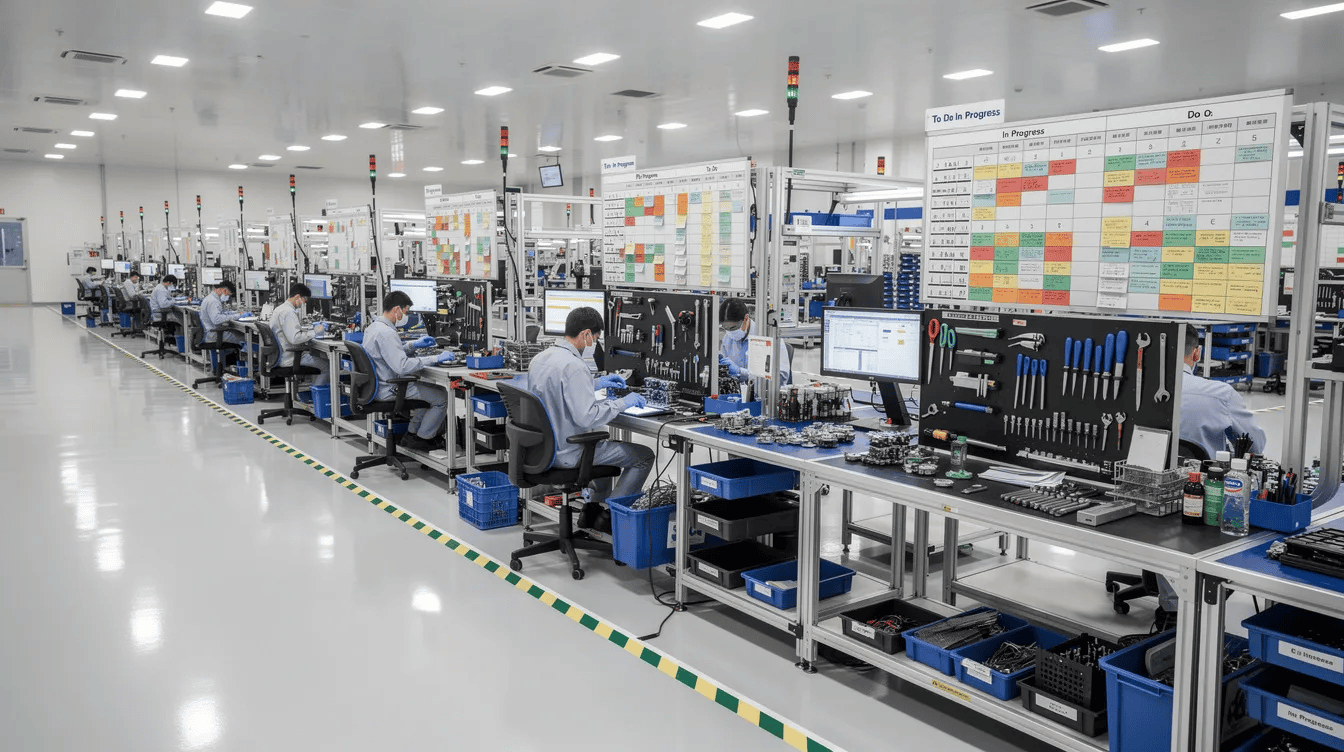
Cut Overhead Costs: Energy, Maintenance, and Factory Overheads
Overhead costs are often-overlooked contributors to total manufacturing cost. Energy costs, indirect labor, rent, maintenance costs, and depreciation can quietly erode margins even when direct costs stay stable.
Energy reduction strategies:
Optimizing energy use can significantly lower production costs. Start with regular energy audits, which can identify inefficiencies and reduce energy costs by revealing where power is being wasted. Concrete steps include shifting energy-intensive processes to off-peak hours, upgrading to efficient motors and LED lighting, improving insulation, and installing a basic energy management system. Plants implementing these measures routinely achieve 10–20% reductions in utility bills without major capital expenditure.
Maintenance optimization:
Preventive maintenance reduces unexpected breakdowns and lowers maintenance costs. Rather than running equipment until it fails, scheduled maintenance extends equipment availability and lifespan. Leverage IoT technologies for real-time monitoring and predictive maintenance, which can reduce unplanned breakdowns by 30–50% and improve overall equipment effectiveness. The payoff: lower equipment maintenance spend, fewer emergency repairs, and more consistent production output.
Facility overhead:
Better space utilization, combining low-volume production lines, and using shared services across plants in the same region all reduce fixed costs per unit. Even simple changes like reorganizing storage or reducing indirect expenses in the facility can free up capacity.
Brands can encourage contract manufacturers to invest in these improvements by offering longer-term contracts or volume commitments that justify the initial investment in upgrades.
Strengthen and Rebalance Your Supply Chain to Reduce Total Cost
Supply chain management decisions around factory location, shipping routes, Incoterms, and inventory strategy can add hidden costs that never appear on your ex-factory invoice. These hidden costs often account for a larger share of total cost than most brands realize.
Regional diversification matters. Comparing landed costs from China versus Vietnam versus India for a typical SKU requires factoring in tariffs, freight, lead times, and quality risk. Orbix helps companies understand the tariff landscape and guides them through the entire process from air to sea freight shipments.
Companies with mature supply chains are 23% more profitable, according to industry benchmarks. Regular audits can identify opportunities to improve supply chain efficiency and uncover waste that compounds over time.
Practical supply chain optimization tactics:
- Negotiate better container rates by consolidating volume and committing to regular schedules
- Choose ports strategically to minimize inland freight and demurrage
- Align order frequency with customer demand to reduce safety stock without risking stockouts
- Compare full landed costs, not just FOB prices, when evaluating suppliers
The concept of total cost of ownership is critical here. A supplier with a slightly higher unit price but shorter lead times, lower defect rates, and more dependable delivery may actually lower your overall manufacturing cost when you factor in returns, inspection failures, and carrying costs.
Orbix Sourcing builds regional supplier networks, manages shipping from Asia to the US and EU, and uses data to recommend the lowest-cost, lowest-risk sourcing strategy for each client’s portfolio.

Use Technology and Data to Control and Reduce Manufacturing Costs
Since around 2020, manufacturing operations have shifted decisively toward data-driven decision-making. Spreadsheets alone can’t control complex manufacturing costs across multiple factories, SKUs, and regions. Real time cost tracking requires proper systems.
Core systems that drive visibility:
Companies using ERP systems can better identify savings opportunities by tracking material usage, labor hours, scrap, and energy consumption at the SKU level. MES (Manufacturing Execution Systems) and WMS (Warehouse Management Systems) add shop floor and warehouse visibility. Supplier portals standardize communication and reporting across your supplier base.
Concrete technology examples:
- Barcode scanning for inventory accuracy reduces warehouse costs and ordering errors
- AI-based demand forecasting aligns production with actual customer demand, preventing overproduction and excess inventory
The trend is accelerating: 97% of manufacturing CEOs have deployed AI or will soon, and 60% of manufacturing CEOs have seen ROI from AI initiatives. By 2027, over 60% of large manufacturers will use industry cloud platforms.
Track key performance indicators like scrap rate and cycle time for improvement. Better data supports decisions like adjusting batch sizes, identifying high-scrap SKUs, and prioritizing which factory lines need process improvements.
Balance Cost Reduction With Product Quality and Brand Reputation
Aggressive cost-cutting can backfire spectacularly. If cheaper materials or faster production lead to higher defect rates, returns, and warranty claims, your total cost goes up and customer satisfaction goes down. Product quality is the line you can’t afford to cross.
Guardrails to set before cutting costs:
- Define minimum quality standards and approved material lists for every product
- Establish clear CTQ (critical-to-quality) parameters that may not be compromised, regardless of cost pressure
- Require product samples and test data from key suppliers, which improves internal processes and reduces defects
Quality costs can consume 15% to 40% of manufacturing expenses when you add up scrap, rework, returns, warranty claims, and lost customers. Quality control reduces defects by 25% to 90% depending on the maturity of the system. Effective quality control minimizes scrap and rework costs, turning what looks like an expense into a net positive for financial performance.
Where cost cuts go wrong: switching to a cheaper zipper in apparel can double return rates. Using a lower-grade adhesive in electronics might pass initial tests but fail in the field, generating warranty claims that far exceed the original savings. The real cost per unit becomes higher once you factor in replacements, returns, and damage to brand reputation.
Quality control initiatives require initial investment but save costs long-term. The key is building QC into the cost reduction process rather than treating it as an afterthought.
Orbix Sourcing combines cost targets with robust QA/QC processes, including factory audits, inline inspections, and pre-shipment inspections using AQL standards, so that manufacturing cost savings never come at the expense of customer satisfaction.

Plan the Financial Side: Initial Investments, Payback, and Risk
Some of the best manufacturing cost reductions, whether automation, new tooling, lean training, or energy upgrades, require an initial investment before savings materialize. Without a clear business case, these initiatives stall.
Building a basic business case:
For any cost reduction initiative, estimate the upfront cost, projected annual savings, payback period, and ROI. For example, a new injection mold in 2025 might cost $40,000 upfront but reduce cycle time and scrap enough to pay back in 14–18 months, after which the savings flow directly to profit margins.
Technology investments follow a similar pattern. The SMT facility referenced earlier invested in machine monitoring and achieved a 4-month payback, then captured $277,000 in annual savings, delivering roughly 297% ROI. CEOs and CFOs must consider capital expenditures and investment in new technology a critical component of their business.
Risk considerations:
- Supplier reliability: a new factory may offer lower costs but deliver inconsistent quality during the transition period
- Geopolitical risk: tariffs, exchange rate shifts, and political instability can erode projected savings overnight
- Transition risk: moving production from one country to another involves hidden costs in training, debugging, and temporarily higher defect rates
Orbix Sourcing helps clients model scenarios, such as moving 30% of volume to a new region versus staying with a higher-cost but lower-risk supplier. Contracts include risk-sharing clauses so that projected cost savings are protected even when conditions shift.
Set KPIs and Governance to Sustain Manufacturing Cost Savings
Cost reduction must be continuous, not a one-off project. In volatile markets like those we’ve seen from 2023 through 2026, savings erode quickly without active governance and accountability.
KPIs to track consistently:
- Unit manufacturing cost by SKU
- Scrap rate and first-pass yield
- Labor productivity per line (units per labor hour)
- Energy cost per unit produced
- On-time delivery rate
- Inventory turnover rate
- Overhead as a percentage of total cost
- Quarterly cost savings
Governance cadence:
- Monthly: cost reviews with suppliers, comparing actual versus forecast cost per unit
- Quarterly: business reviews for key factories covering cost, quality, and delivery performance
- Annually: sourcing strategy refresh with a market scan for new suppliers, input price trends, and technology investments
Visual dashboards and supplier scorecards highlight underperforming plants and focus improvement efforts where they matter most. When both factory and brand see the same numbers, alignment on business operations priorities happens naturally, driving sustained operational efficiency.
How Orbix Sourcing Helps Brands Reduce Manufacturing Costs Safely
Effective manufacturing cost reduction spans sourcing, design, labor productivity, overhead, supply chain, and quality. No single lever is enough. The brands that lower costs sustainably are the ones that pull multiple levers simultaneously while protecting product quality and customer satisfaction.
Orbix Sourcing’s core services for cost reduction:
- Supplier discovery in lower-cost regions across Asia, with factory audits and capability assessments
- RFQ management and negotiation to drive competitive pricing across multiple qualified suppliers
- Product cost engineering to identify material, design, and process improvements
- Production oversight and QC including inline inspections and pre-shipment checks
- Logistics coordination to optimize shipping, reduce lead times, and lower costs across the supply chain
Results in practice: A US brand restructured its Asian supplier base to reduce lead times and cut inventory carrying costs, freeing working capital that had been locked in excess inventory.
Orbix Sourcing works primarily with small to mid-size brands and manufacturers that lack in-house sourcing teams or do not have the necessary contacts to source from multiple regions but need enterprise-level cost control. We help you reduce operational costs, lower production costs, and improve competitive pricing without the risks of going it alone.
Your next step: Audit one to three of your highest-volume SKUs with Orbix Sourcing’s help. We’ll identify your biggest manufacturing cost reduction opportunities and build an action plan in time for your next buying season. The brands that act on cost reduction now will have the margins to invest in growth while competitors are still scrambling.